

What Are the Warning Signs of Type 2 Diabetes?
Warning signs of type 2 diabetes can develop gradually and may include increased thirst, frequent urination, fatigue, increased hunger, or blurry vision. Some individuals may also notice slow-healing wounds, recurring infections, tingling in the hands or feet, or unexplained weight loss. Because symptoms can be mild or absent, blood testing is often necessary to identify elevated blood sugar levels. Board-Certified Dr. Shima Hadidchi, MD, and our team can evaluate symptoms, review risk factors, and recommend appropriate testing and management. For more information, contact us or request an appointment online. We are conveniently located at 12740 Hesperia Rd, Suite A, Victorville, CA 92395.
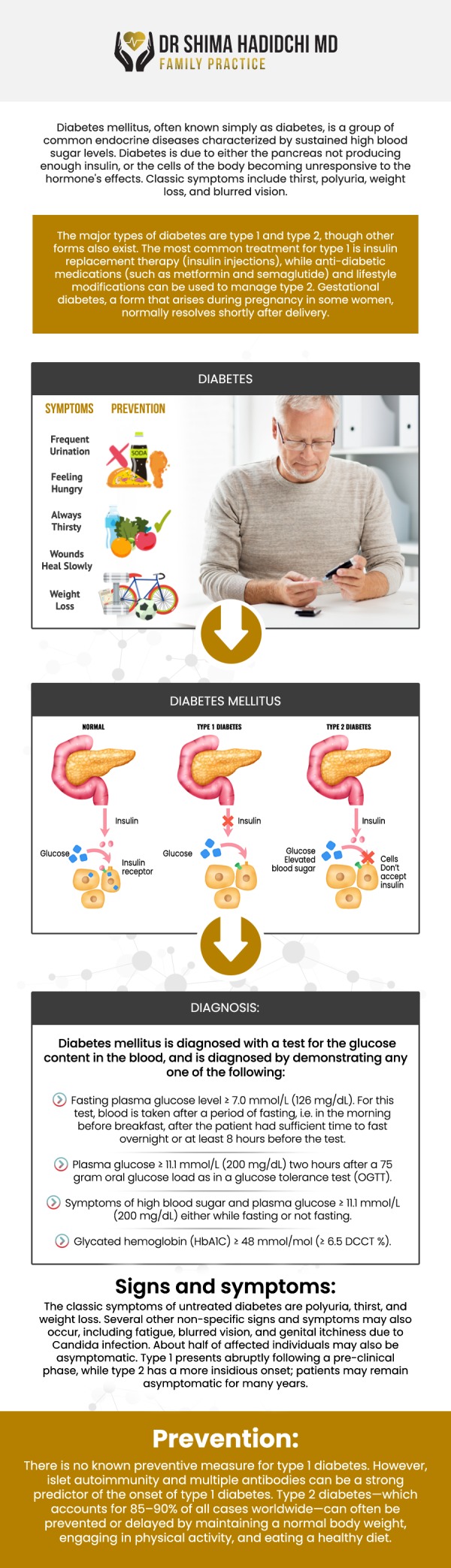
Table of Contents:
What are the warning signs of type 2 diabetes?
What are the most common early symptoms of type 2 diabetes?
Can frequent urination and increased thirst be signs of type 2 diabetes?
Can type 2 diabetes cause blurry vision or unexplained weight loss?
When should you see a doctor for possible type 2 diabetes symptoms?
Managing Type 2 Diabetes with Board-Certified Dr. Shima Hadidchi, MD, and the Team
Type 2 diabetes develops when the body does not use insulin effectively or does not make enough insulin to keep blood glucose within a healthy range. Because the condition often develops gradually, recognizing type 2 diabetes symptoms can help individuals understand when blood sugar testing and medical evaluation may be appropriate.
Some people experience noticeable changes such as increased thirst, frequent urination, fatigue, blurred vision, or unexplained weight loss, while others have few or no obvious warning signs. Routine diabetes management, in-house lab testing, and annual physical exams can help identify elevated blood glucose and other health changes that might otherwise go unnoticed.
Early evaluation is especially important when symptoms occur alongside risk factors such as excess body weight, a family history of diabetes, limited physical activity, or a previous diagnosis of prediabetes. Through ongoing internal medicine care, our team can consider symptoms, laboratory results, medications, medical history, and other health factors together.
Type 2 diabetes symptoms often develop slowly. Early warning signs can include feeling unusually thirsty, urinating more often than usual, increased hunger, persistent fatigue, blurry vision, tingling or numbness in the hands or feet, frequent infections, or cuts and sores that take longer to heal. Because many of these symptoms can have other causes, they should not be used alone to diagnose diabetes.
Some individuals may have elevated blood glucose for months or even years without recognizing significant changes. Regular visits with a family and primary care physician provide opportunities to review blood glucose along with other important health indicators. Diabetes can also occur alongside cardiovascular risk factors, making evaluation of possible high blood pressure symptoms and high cholesterol an important part of broader preventive care.
Our team evaluates symptoms in the context of the whole person rather than focusing on one warning sign. Persistent fatigue, increased thirst, changes in vision, or other concerns may warrant blood testing to determine whether diabetes or another medical condition could be contributing.
Yes. Frequent urination and increased thirst are two well-recognized symptoms that can occur when blood glucose levels become elevated. When there is more glucose in the bloodstream than the body can effectively use, the kidneys work to filter the excess. This can increase urination and contribute to fluid loss, which may lead to greater thirst.
However, increased thirst or urination does not always indicate diabetes. Fluid intake, medications, urinary conditions, kidney concerns, and other medical issues can produce similar symptoms. Individuals experiencing persistent changes can discuss them through our telemedicine consultations when appropriate or arrange an in-person assessment through our family practice and primary care services.
Weight and metabolic health may also influence the likelihood of developing type 2 diabetes. Our BMI calculator can provide a general body mass index estimate, while our weight loss management services can provide individualized guidance when weight management is medically appropriate. Symptoms should always be interpreted alongside laboratory findings and a person’s complete health history.
Yes. High blood glucose can affect fluid balance in the eyes and may temporarily change how clearly a person sees. Blurry vision can therefore occur with diabetes, particularly when blood sugar levels are significantly elevated or changing. Vision changes can have many possible causes, however, so sudden, severe, or persistent changes should be medically evaluated rather than automatically attributed to diabetes.
Unexplained weight loss can also occur when the body is unable to use glucose effectively for energy. The body may begin drawing energy from stored fat and muscle, causing weight to decline even when an individual has not intentionally changed eating or exercise habits. Increased hunger may occur at the same time because cells are not receiving energy in the usual way.
Individual risk can also vary according to age and health history. Our women’s health services can incorporate metabolic screening into broader preventive health needs, while our geriatric care can help older adults monitor diabetes and other chronic disease risks. Eligible patients may also use Medicare Annual Wellness Visits to discuss preventive screenings and changes in overall health.
A medical evaluation should be considered when symptoms such as persistent thirst, frequent urination, unexplained fatigue, increased hunger, blurry vision, recurring infections, slow-healing wounds, tingling in the hands or feet, or unexplained weight loss develop. Testing may also be appropriate even without symptoms when someone has significant risk factors for type 2 diabetes.
Blood tests are needed to diagnose diabetes. An A1C test reflects average blood glucose over approximately three months, while fasting plasma glucose and other blood glucose tests provide additional information. An A1C of 6.5% or higher or a fasting plasma glucose level of 126 mg/dL or higher falls within the diabetes range, although abnormal results generally require appropriate medical confirmation depending on the circumstances. Our detailed diabetes management guide and tips for lowering blood sugar provide additional information about ongoing metabolic care.
Regular relationships established through family medicine and comprehensive primary care can make it easier to follow changes in blood sugar over time. Severe symptoms such as confusion, difficulty breathing, repeated vomiting, severe weakness, or signs of significant dehydration warrant prompt or emergency medical attention rather than waiting for a routine appointment.
Board-Certified Dr. Shima Hadidchi, MD, and our team provide personalized care for individuals who have type 2 diabetes or are concerned about possible symptoms. Evaluation may include reviewing blood glucose results, A1C, blood pressure, cholesterol, medications, family history, nutrition, physical activity, weight, and other factors that influence metabolic health. Patients who would like to learn more about her background can review information about Board-Certified Dr. Shima Hadidchi, MD.
When type 2 diabetes is identified, our team can develop an individualized management strategy based on each patient’s health needs. Care may involve nutrition changes, regular physical activity, blood glucose monitoring, weight management, medications when appropriate, and ongoing assessment of cardiovascular and other health risks. The goal is not simply to address a single blood sugar reading but to support sustainable glucose control and reduce the likelihood of diabetes-related complications over time.
Access to ongoing care can also make long-term diabetes management easier to coordinate. Patients can review our insurance information, explore our locations, or view our locations map when planning a visit. When you are ready to discuss symptoms, testing, or an existing diabetes diagnosis, you can request an appointment with our team. With early recognition, appropriate testing, and continued follow-up, type 2 diabetes can be managed with a plan designed around each patient’s individual health needs and long-term wellness goals. For more information, contact us or request an appointment online. We are conveniently located at 12740 Hesperia Rd, Suite A, Victorville, CA 92395. We serve patients from Victorville CA, Apple Valley CA, Spring Valley Lake CA, Hesperia CA, Baldy Mesa CA, Adelanto CA, and surrounding areas.

Check Out Our 5 Star Reviews


Additional Services You May Need
▸ Telemedicine
▸ Family Practice And Primary Care
▸ Walk-Ins
▸ Weight Loss Management
▸ Zepbound for Weight Loss
▸ Women’s Health
▸ Vaccinations & Immunizations
▸ Diabetes Management
▸ Geriatrics
▸ Pediatrics
▸ Internal Medicine
▸ Acne Treatment
▸ Cryotherapy Treatment
▸ Skin Lesion Removal
▸ Dementia Treatment
▸ Semaglutide GLP-1 Injections
▸ Flu Shot
Additional Services You May Need
- Telemedicine
- Family Practice And Primary Care
- Walk-Ins
- Weight Loss Management
- Zepbound for Weight Loss
- Women’s Health
- Vaccinations & Immunizations
- Diabetes Management
- Geriatrics
- Pediatrics
- Internal Medicine
- Acne Treatment
- Cryotherapy Treatment
- Skin Lesion Removal
- Dementia Treatment
- Semaglutide GLP-1 Injections
- Flu Shot





 Send Text
 How May I Help You?