

What Does Zepbound Do to Your Body During Weight Loss Treatment?
Zepbound transforms your body’s response to food by mimicking two key gut hormones, GIP and GLP-1, which work synergistically to significantly reduce appetite and slow down digestion. This dual action helps you feel full faster and for longer periods, while simultaneously signaling your brain to quiet intrusive cravings and “food noise” that lead to overeating. Dr. Shima Hadidchi, a board-certified physician, monitors these metabolic changes closely to ensure the medication effectively targets fat stores while preserving lean muscle mass. Ultimately, Zepbound trains your metabolic system, allowing for sustainable weight loss that addresses the underlying biological factors of obesity. For more information, contact us today or book an appointment online. We are conveniently located at 18112 Wika Rd, Suite 102, Apple Valley, CA 92307.
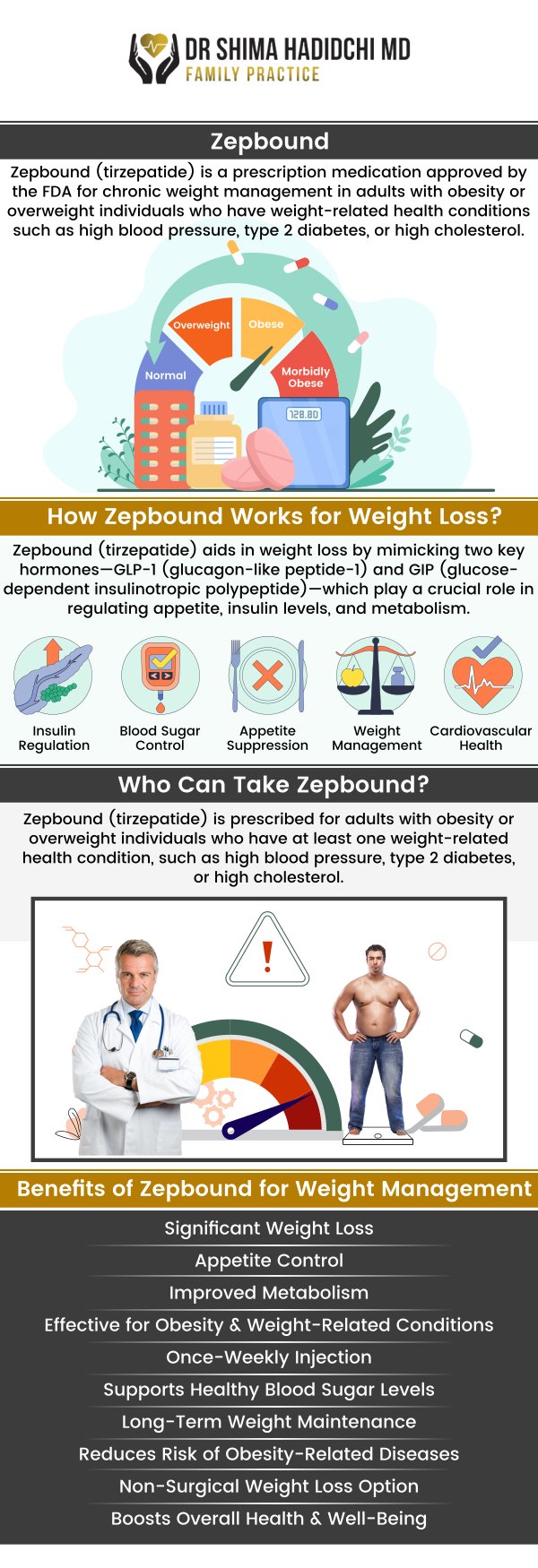
Table of Contents:
How does Zepbound affect your metabolism and fat storage?
What changes can Zepbound cause in your body while taking it?
How does Zepbound impact your appetite and hunger levels?
Can Zepbound alter your body’s hormonal balance?
Is Zepbound Right for Your Weight Loss Goals?
Why Zepbound Is a Strong Tool for Medical Weight Loss?
Can Zepbound cause hair loss?
Does Zepbound cause muscle loss during weight loss?
What happens to your body when you stop taking Zepbound?
Can Zepbound cause low blood sugar in people without diabetes?
How Dr. Shima Hadidchi Can Tailor Zepbound Treatment to Your Unique Weight Loss Needs
Medical References
Zepbound affects several processes involved in metabolism, particularly appetite regulation and blood sugar control. Its active ingredient, tirzepatide, activates GLP-1 and GIP receptors. These receptors help regulate insulin release, glucagon levels, and the body’s response to food.
Zepbound stimulates insulin release when blood sugar levels are elevated and reduces glucagon, a hormone that raises blood sugar. It also improves insulin sensitivity. These effects can help the body regulate blood glucose more effectively, particularly in people with type 2 diabetes.
When calorie intake decreases, the body uses stored energy to meet its needs. Weight loss with tirzepatide generally involves a greater reduction in fat mass than lean body mass. However, Zepbound does not directly burn fat or permanently speed up metabolism. Maintaining adequate nutrition and physical activity remains important during treatment to support overall health and muscle function.
Zepbound can cause several physical and metabolic changes as your body responds to treatment. The most noticeable change for many people is a reduction in appetite, which can make it easier to eat smaller portions and follow a reduced-calorie eating plan.
Other changes may include:
• Reduced body fat: Weight loss generally involves a decrease in stored body fat, although some lean body mass may also be lost.
• Changes in blood sugar: Improved insulin sensitivity and glucose regulation may help lower blood sugar levels.
• Slower stomach emptying: Food moves more slowly from the stomach into the small intestine, which can contribute to longer-lasting fullness.
• Changes in digestion: Nausea, constipation, diarrhea, vomiting, and abdominal discomfort may occur, especially during treatment initiation or dose increases.
• Changes in body weight: Gradual weight reduction may improve certain weight-related health measures, although individual results vary.
Not everyone experiences the same changes. The body’s response depends on factors such as dosage, overall health, eating habits, physical activity, and medication tolerance.
Zepbound works on hormone pathways involved in hunger and fullness. GLP-1 and GIP receptors are involved in communication between the digestive system and the brain, helping regulate food intake and appetite.
By activating these receptors, tirzepatide can reduce hunger signals and increase feelings of fullness after meals. It also slows stomach emptying, which may help you feel satisfied for longer. As a result, you may notice fewer cravings, smaller portions, and less interest in eating between meals.
These changes can make it easier to maintain a reduced-calorie eating plan. However, reduced appetite does not mean your body needs fewer essential nutrients. Eating balanced meals with adequate protein, fiber, vitamins, and minerals remains important throughout treatment.
Yes. Zepbound influences specific hormone pathways, but it is not a general hormone-balancing medication. Its primary actions involve two naturally occurring gut hormone systems: glucose-dependent insulinotropic polypeptide (GIP) and glucagon-like peptide-1 (GLP-1).
These pathways influence insulin secretion, glucagon production, appetite, and blood sugar regulation. As body weight changes, certain metabolic and hormone-related measurements may also change. However, Zepbound is not designed to treat thyroid disorders, menopause-related symptoms, low testosterone, or other hormonal conditions.
People experiencing unexplained weight changes, menstrual irregularities, or other possible hormone-related symptoms may need a separate medical evaluation. Dr. Hadidchi can consider these concerns as part of an overall health assessment rather than assuming they are caused by weight alone.
Zepbound may be an effective option for individuals who have struggled with obesity or excess weight despite lifestyle efforts. It is particularly helpful for those who experience constant hunger, difficulty controlling portions, or metabolic resistance to weight loss. A personalized evaluation is essential to determine whether Zepbound aligns with your health history and weight loss goals.
If you are exploring medical weight loss options and want a solution that targets the root causes of weight gain—not just the symptoms—Zepbound may be worth considering. With proper monitoring and a supportive plan, it can be a powerful tool in achieving healthier, sustainable weight loss and improved overall well-being.
Zepbound stands out among weight loss medications because it addresses multiple drivers of weight gain at once—appetite, metabolism, insulin resistance, and fat storage. This comprehensive effect helps explain why many patients achieve significant and sustained weight loss when Zepbound is paired with healthy lifestyle changes.
Successful weight management still requires a long-term approach. Zepbound works best when combined with nutritious eating, regular physical activity, adequate sleep, and ongoing medical guidance. Regular follow-ups allow treatment to be adjusted as weight changes and goals evolve, helping patients maintain progress and avoid weight regain.
Frequently Asked Questions About Zepbound and Its Effects on the Body
Yes. Hair loss has been reported in people taking Zepbound. The FDA prescribing information notes that hair loss was associated with weight reduction. Significant changes in body weight can contribute to temporary hair shedding. Patients experiencing persistent or excessive hair loss should discuss possible causes, including nutritional concerns, with their healthcare provider.
Some lean body mass can be lost alongside body fat during weight reduction. Although tirzepatide generally produces greater fat mass loss than lean mass loss, preserving muscle remains important. Adequate protein intake, appropriate strength-training activities, and regular medical follow-up can help support muscle health during treatment.
Appetite may increase again after stopping Zepbound, and some people regain weight. In the SURMOUNT-4 clinical trial, participants who switched from tirzepatide to placebo regained an average of 14% of their body weight during the following 52 weeks. Individual experiences vary, so discontinuation and long-term weight management should be discussed with a healthcare provider.
Low blood sugar is possible, although the risk is greater when Zepbound is combined with insulin or certain diabetes medications, such as sulfonylureas. Symptoms may include shakiness, sweating, dizziness, hunger, and confusion. Patients should discuss their medication list and any symptoms of low blood sugar with their healthcare provider.
At Dr. Shima Hadidchi MD Family Practice, we believe in taking a personalized, holistic approach to weight loss. Dr. Hadidchi understands that every individual has different needs, challenges, and goals when it comes to weight management. Before starting Zepbound (tirzepatide), she conducts a thorough evaluation of your health, including medical history, lifestyle habits, and any underlying conditions that may affect your ability to lose weight. This comprehensive assessment ensures that Zepbound is the right choice for your specific situation, whether you’re managing obesity, type 2 diabetes, or other metabolic concerns. By understanding your unique health profile, Dr. Hadidchi customizes your treatment plan to maximize the medication’s benefits and optimize your weight loss journey.
Dr. Hadidchi’s commitment to personalized care doesn’t stop at prescribing Zepbound. She works closely with you to integrate medication with other lifestyle modifications, such as nutrition counseling, exercise routines, and behavioral strategies. Zepbound is most effective when combined with a balanced diet and regular physical activity, which is why Dr. Hadidchi ensures you receive guidance on these aspects, tailored to your preferences and abilities. Ongoing monitoring and follow-up appointments allow Dr. Hadidchi to track your progress, adjust your plan as needed, and address any concerns or side effects. With her expertise and support, you’ll be empowered to achieve lasting weight loss and improved overall health. For more information, contact us today or book an appointment online. We are conveniently located at 18112 Wika Rd, Suite 102, Apple Valley, CA 92307. We serve patients from Apple Valley CA, Victorville CA, Spring Valley Lake CA, Mountain View Acres CA, Hesperia CA, Adelanto CA, Mariana Ranchos CA, and surrounding areas.

Check Out Our 5 Star Reviews


Additional Services You May Need
▸ Telemedicine
▸ Family Practice And Primary Care
▸ Walk-Ins
▸ Weight Loss Management
▸ Zepbound for Weight Loss
▸ Women’s Health
▸ Vaccinations & Immunizations
▸ Diabetes Management
▸ Geriatrics
▸ Pediatrics
▸ Internal Medicine
▸ Acne Treatment
▸ Cryotherapy Treatment
▸ Skin Lesion Removal
▸ Dementia Treatment
▸ Semaglutide GLP-1 Injections
▸ Flu Shot
Additional Services You May Need
- Telemedicine
- Family Practice And Primary Care
- Walk-Ins
- Weight Loss Management
- Zepbound for Weight Loss
- Women’s Health
- Vaccinations & Immunizations
- Diabetes Management
- Geriatrics
- Pediatrics
- Internal Medicine
- Acne Treatment
- Cryotherapy Treatment
- Skin Lesion Removal
- Dementia Treatment
- Semaglutide GLP-1 Injections
- Flu Shot





 Send Text
 How May I Help You?