

How Long Does Zepbound Take to Start Working?
Zepbound typically starts showing effects within the first few weeks of use. Most users experience reduced appetite and cravings, which helps them stick to a calorie-controlled diet. However, noticeable weight loss results, including fat reduction, usually take about 3 to 6 months. For optimal results, combining Zepbound with healthy eating and regular exercise is essential for long-term success. Board-Certified Dr. Shima Hadidchi emphasizes the importance of a comprehensive approach to weight loss for sustainable results. For more information, contact us today or book an appointment online. We are conveniently located at 18112 Wika Rd, Suite 102, Apple Valley, CA 92307.
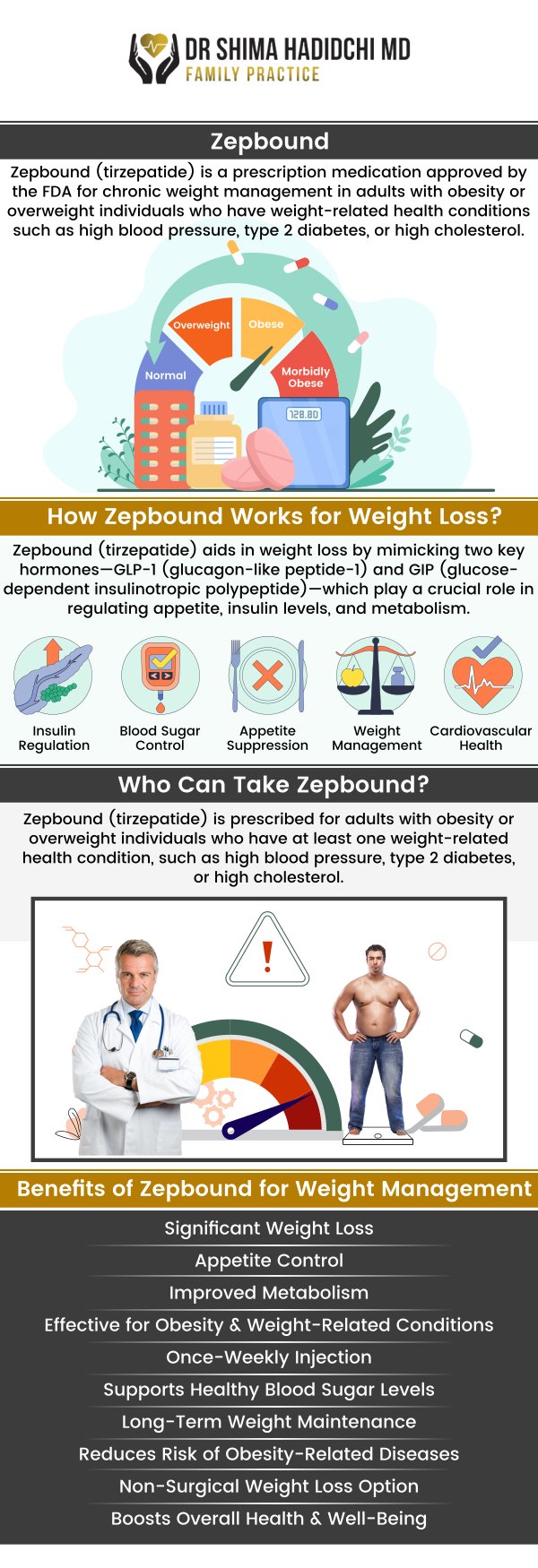
Table of Contents:
How long does Zepbound take to start working on belly fat?
What is the typical time frame for Zepbound to start showing results?
Does Zepbound start working immediately or does it take time?
How long should I take Zepbound before seeing any significant results?
Is it normal to feel less hungry before the scale changes on Zepbound?
Can water retention hide early weight loss while taking Zepbound?
Does increasing the Zepbound dose guarantee faster weight loss?
Can I continue losing weight on Zepbound if my progress temporarily slows down?
How can I tell whether Zepbound is helping during the first 12 weeks?
Zepbound Safety, Precautions, and When to Contact a Doctor
How Long Does It Take for Zepbound to Work? Dr. Shima Hadidchi, MD Answers
Medical References
Zepbound may help reduce belly fat gradually as overall body weight decreases. However, it does not specifically target abdominal fat, and there is no fixed timeline for changes around the waist. Some patients may notice their clothing fitting differently after several weeks, while others require months of consistent treatment before seeing visible changes.
Zepbound works by influencing hormones involved in hunger and fullness, helping patients reduce calorie intake over time. As weight decreases, fat may be lost from different areas of the body, including the abdomen. Genetics, starting weight, activity level, and individual metabolism can influence where changes appear first.
Dr. Shima Hadidchi, MD, helps patients focus on gradual, sustainable progress rather than expecting immediate belly-fat reduction. Monitoring overall weight trends, waist measurements, and healthy lifestyle habits can provide a clearer picture of treatment response.
The typical Zepbound results timeline varies, but some patients begin noticing changes in appetite during the first few weeks. Measurable weight loss may also begin during the first month, although larger changes generally take several months.
During the first four weeks, patients usually receive the 2.5 mg starting dose. This introductory period allows the body to adjust to the medication and helps reduce the risk of gastrointestinal side effects. The starting dose is not intended to be a maintenance dose for weight loss.
After four weeks, the prescribed dose is generally increased to 5 mg weekly. Further adjustments may be made after at least four weeks at the current dose, depending on treatment response and tolerability.
By approximately 12 weeks, many patients have experienced measurable weight loss, although some respond more slowly. Research shows that people who do not achieve substantial early weight loss may still benefit from continued treatment.
Our weight management services emphasize appropriate medical follow-up, nutritional guidance, physical activity, and realistic expectations throughout the treatment process.
Zepbound begins acting on hormone receptors after administration, but its effects on appetite and body weight are not always noticeable immediately. The medication activates GIP and GLP-1 receptors, which help regulate hunger, fullness, and blood sugar.
Some people notice less hunger relatively early, while others experience more gradual changes. A lack of visible weight loss during the first week does not necessarily mean the medication is ineffective.
Zepbound is prescribed as a once-weekly injection, with the dose increased gradually when appropriate. This schedule is designed to improve tolerability rather than produce the fastest possible weight loss.
Patients should avoid increasing their dose independently or assuming that stronger appetite suppression always indicates better treatment results. Dr. Shima Hadidchi, MD can evaluate treatment response, discuss concerns, and determine whether adjustments are appropriate.
Significant weight loss with Zepbound may take several months, and the exact timeline differs between individuals. Some patients experience meaningful changes within approximately three months, while others require longer treatment as their dosage is adjusted and their body responds.
Clinical research provides useful perspective. In a 72-week study of adults with obesity or overweight without diabetes, average weight reductions were approximately 15% with the 5 mg dose and 20.9% with the 15 mg dose. These were long-term study averages, not results patients should expect during the first few months or guarantees of individual outcomes.
Additional research found that some participants who had lost less than 5% of their starting weight after 12 weeks went on to achieve meaningful weight loss with continued treatment.
Dr. Shima Hadidchi, MD, can help patients evaluate their progress based on weight trends, current dosage, treatment tolerance, medical conditions, and overall health goals. Patients should not stop treatment or change their prescribed dosage without discussing their response with their clinician.
Frequently Asked Questions About How Long Zepbound Takes to Work
Yes. Appetite changes may occur before measurable weight loss. Zepbound affects hunger and fullness, but body weight can fluctuate because of hydration, digestion, and other factors. A lower appetite does not guarantee immediate weight reduction. Monitoring your weight over several weeks can provide a more useful picture than relying on daily changes.
Yes. Temporary changes in fluid balance can affect scale readings and make early weight loss less noticeable. Constipation, which is a recognized side effect of Zepbound, may also contribute to short-term fluctuations. Patients should focus on longer-term weight patterns and discuss persistent swelling, constipation, or other concerning symptoms with their clinician.
No. A higher dose does not guarantee faster or greater weight loss for every patient. Dosage adjustments depend on individual response, side effects, and medical considerations. Increasing the dose too quickly can raise the risk of gastrointestinal problems. Patients should follow their prescribed schedule and make changes only under medical supervision.
Yes. Weight loss does not always occur at a consistent rate. Some patients experience periods when their weight remains stable before further changes occur. A temporary slowdown does not automatically indicate treatment failure. Reviewing medication use, nutrition, physical activity, and health conditions with a clinician can help determine whether the treatment plan needs adjustment.
Patients can monitor changes in appetite, portion sizes, body weight, and waist measurements. Consistent measurements over time are more informative than any single scale reading. Follow-up appointments can also help evaluate medication tolerability, eating habits, and weight-related health concerns. If progress is limited, Dr. Hadidchi can review possible contributing factors and discuss appropriate next steps.
Zepbound is not appropriate for everyone. It should not be used by people with a personal or family history of medullary thyroid carcinoma (MTC), multiple endocrine neoplasia syndrome type 2 (MEN 2), or a previous serious allergic reaction to tirzepatide.
Common side effects include nausea, vomiting, diarrhea, constipation, and abdominal discomfort. More serious concerns include pancreatitis, gallbladder disease, dehydration-related kidney injury, and low blood sugar, particularly when certain diabetes medications are used.
Zepbound may harm an unborn baby and should be discontinued when pregnancy is recognized. It can also reduce the effectiveness of oral hormonal contraceptives. Patients using oral hormonal birth control should discuss additional or alternative contraception during initiation and dose increases.
Severe or persistent abdominal pain, repeated vomiting, or signs of dehydration require prompt medical evaluation. Difficulty breathing or severe allergic symptoms require emergency care.
Dr. Shima Hadidchi, MD, explains that Zepbound’s weight loss effects can be gradual, with some users experiencing appetite suppression within the first few days to a week of starting the medication. However, the full benefits in terms of weight loss and body fat reduction, including belly fat, typically take 3 to 6 months to become more pronounced. Zepbound works by helping individuals manage their calorie intake, leading to a sustainable calorie deficit, which is essential for weight loss.
Dr. Hadidchi emphasizes that for the best results, Zepbound should be used as part of a comprehensive weight loss plan that includes healthy eating, regular exercise, and behavioral changes. The medication’s primary role is to assist with appetite control, making it easier to stick to a weight loss plan. While the initial effects are quick, it’s the long-term commitment to a balanced lifestyle that truly maximizes Zepbound’s benefits. Consistency is key when using Zepbound for weight loss, and over time, patients can expect to see steady, sustainable results. For more information, contact us today or book an appointment online. We are conveniently located at 18112 Wika Rd, Suite 102, Apple Valley, CA 92307. We serve patients from Apple Valley CA, Victorville CA, Spring Valley Lake CA, Mountain View Acres CA, Hesperia CA, Adelanto CA, Mariana Ranchos CA, and surrounding areas.

Check Out Our 5 Star Reviews


Additional Services You May Need
▸ Telemedicine
▸ Family Practice And Primary Care
▸ Walk-Ins
▸ Weight Loss Management
▸ Zepbound for Weight Loss
▸ Women’s Health
▸ Vaccinations & Immunizations
▸ Diabetes Management
▸ Geriatrics
▸ Pediatrics
▸ Internal Medicine
▸ Acne Treatment
▸ Cryotherapy Treatment
▸ Skin Lesion Removal
▸ Dementia Treatment
▸ Semaglutide GLP-1 Injections
▸ Flu Shot
Additional Services You May Need
- Telemedicine
- Family Practice And Primary Care
- Walk-Ins
- Weight Loss Management
- Zepbound for Weight Loss
- Women’s Health
- Vaccinations & Immunizations
- Diabetes Management
- Geriatrics
- Pediatrics
- Internal Medicine
- Acne Treatment
- Cryotherapy Treatment
- Skin Lesion Removal
- Dementia Treatment
- Semaglutide GLP-1 Injections
- Flu Shot





 Send Text
 How May I Help You?