

COVID-19 Vaccine Clinic in Victorville, CA
At Dr. Shima Hadidchi, MD Family Practice Clinic, our team provides personalized COVID-19 vaccination guidance and preventive healthcare services for patients in Victorville, CA. Dr. Shima Hadidchi, MD, carefully evaluates each patient’s medical history, vaccination status, underlying health conditions, and potential risk factors to recommend appropriate immunization options. Updated COVID-19 vaccines help reduce the risk of severe illness, hospitalization, and serious complications. Our team prioritizes patient safety through appropriate vaccine screening, education about potential side effects, and individualized follow-up guidance. We are committed to helping patients make informed vaccination decisions while supporting their long-term respiratory health and overall well-being. For more information, contact us or request an appointment online. We are conveniently located at 12740 Hesperia Rd, Suite A, Victorville, CA 92395.
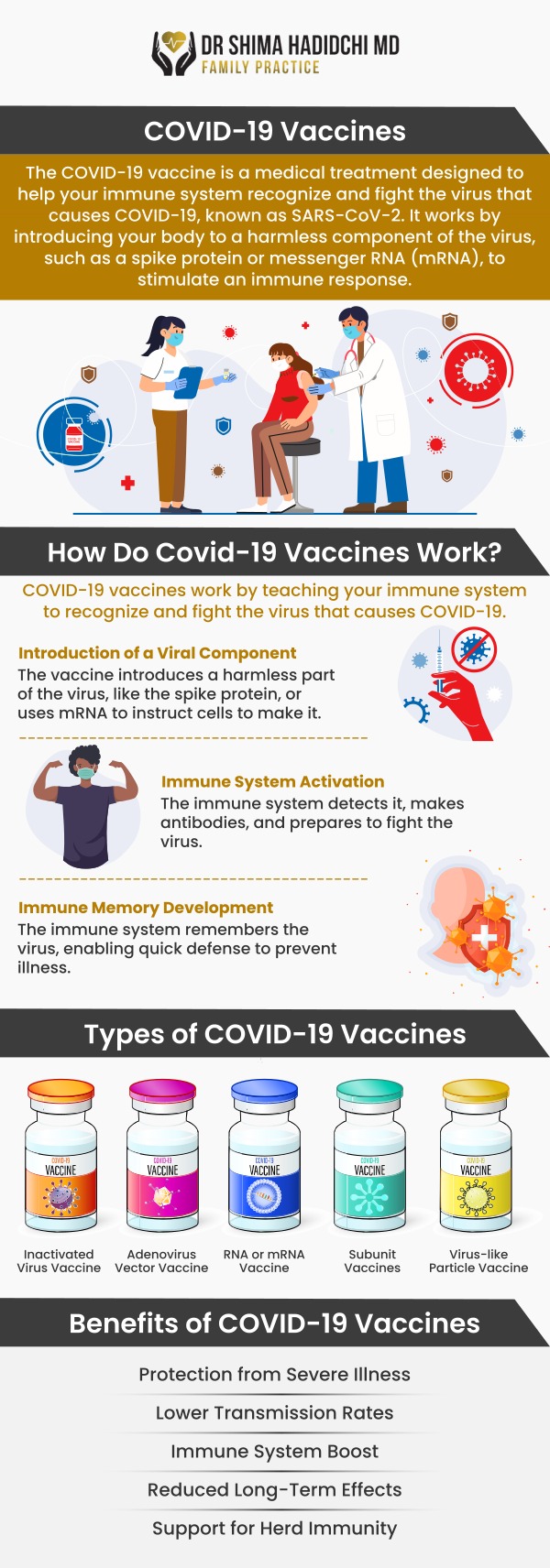
Table of Contents:
What Is the COVID-19 Vaccine, and How Does It Protect the Immune System?
Who Is Recommended to Receive the Updated COVID-19 Vaccine?
How Many COVID-19 Vaccine Doses Are Recommended?
Who Is at Increased Risk of Severe COVID-19 Complications?
What Medical Screening and Safety Precautions Are Necessary Before COVID-19 Vaccination?
What Symptoms Can COVID-19 Cause After Vaccination?
What Patient Safety Measures Should Be Followed During COVID-19 Vaccination?
How Long Should Patients Be Monitored After Receiving a COVID-19 Vaccine?
What Are the Common Side Effects of COVID-19 Vaccination?
What Serious Side Effects or Complications Can Occur After COVID-19 Vaccination?
What Precautions Should Patients Follow After COVID-19 Vaccination?
Can Pregnant or Breastfeeding Patients Receive a COVID-19 Vaccine?
Are COVID-19 Vaccines Recommended for Immunocompromised Patients?
Should Patients Receive a COVID-19 Vaccine After a Previous Infection?
Can COVID-19 and Influenza Vaccines Be Administered Together?
How Can Patients Reduce Their Risk of COVID-19 After Vaccination?
How Can Dr. Shima Hadidchi, MD, Help With COVID-19 Vaccination in Victorville, CA?
Can the COVID-19 Vaccine Cause COVID-19 Infection?
How Long Does It Take for COVID-19 Vaccine Protection to Develop?
Can Patients With Heart Conditions Receive COVID-19 Vaccines?
What Should Patients Do if They Have a History of Severe Allergies?
Can COVID-19 Vaccines Be Given During Pregnancy?
Is It Safe to Receive a COVID-19 Vaccine While Experiencing a Cold?
Can COVID-19 Vaccination Cause Myocarditis or Pericarditis?
What Should Patients Do if They Experience Side Effects After Vaccination?
Can COVID-19 Vaccines Help Reduce the Risk of Long COVID?
Are COVID-19 Vaccines Safe for Patients With Weakened Immune Systems?
Medical References:
COVID-19 vaccines train the immune system to recognize specific components of SARS-CoV-2 without exposing patients to a live virus capable of causing COVID-19. Vaccination stimulates immune responses involving antibodies and specialized immune cells that can help recognize and respond to future exposure.
Following vaccination, the immune system develops protection that can reduce the likelihood of severe illness and complications. Although vaccinated individuals may still become infected or transmit the virus, vaccination remains an important preventive measure against severe COVID-19 outcomes.
COVID-19 vaccines do not alter human DNA. The mRNA used in certain vaccines is temporary and is broken down through normal cellular processes.
Protection can decrease over time, and SARS-CoV-2 continues to evolve. For this reason, updated formulations are developed to improve protection against circulating variants.
Current CDC recommendations identify adults and certain pediatric populations who may benefit from updated vaccination.
• Adults Aged 18 and Older
The CDC recommends a COVID-19 vaccine for adults aged 18 and older. The expected benefit is particularly important for individuals at increased risk of severe disease.
• Children Aged 6 Months to 17 Years
The CDC recommends COVID-19 vaccination for children with moderate or severe immunocompromise. For other children in this age group, vaccination is recommended through shared clinical decision-making between parents or legal guardians and healthcare professionals.
• Adults Aged 65 and Older
Older adults face a higher risk of hospitalization and serious complications. The CDC’s schedule recommends two doses of the updated vaccine, generally spaced approximately six months apart.
However, FDA approval for available COVID-19 vaccines in this age group covers a single dose. Administration of an additional dose under the CDC schedule is considered off-label.
• Patients With Underlying Medical Conditions
People with diabetes, chronic cardiovascular disease, respiratory disease, kidney disease, or other significant medical conditions may particularly benefit from vaccination.
Some CDC-recommended uses fall outside FDA-approved indications. Vaccine selection and dosing should therefore follow current clinical guidance and individualized medical evaluation.
The recommended number of doses depends on age, previous vaccination, immune status, and vaccine product.
• Adults Aged 18–64 Without Moderate or Severe Immunocompromise: The CDC schedule generally recommends one updated vaccine dose. The interval from a previous dose varies by product.
• Adults Aged 65 and Older: The CDC recommends two updated doses, generally spaced six months apart. The additional dose may be off-label under current FDA-approved indications.
• Children: The recommended number of doses varies by age and previous vaccination history. Some younger children may require a multidose initial series.
• Moderately or Severely Immunocompromised Patients: A modified vaccination schedule may include an initial series and additional doses based on age, previous vaccination, and individual clinical circumstances.
The minimum interval between doses can also vary. For example, Moderna mNexspike may require a different interval than other available vaccines. Patients should not assume that every vaccine follows the same dosing schedule. A healthcare provider should review the current CDC and California Department of Public Health recommendations before vaccination.
Certain medical conditions and individual characteristics increase the likelihood of severe COVID-19.
Important risk factors include:
• Age 65 years and older
• Moderate or severe immunocompromise
• Diabetes
• Chronic cardiovascular disease
• Chronic respiratory conditions, including COPD
• Chronic kidney disease
• Pregnancy
• Multiple underlying medical conditions
• Residence in long-term care facilities
• Lack of previous COVID-19 vaccination
Patients with diabetes may benefit from ongoing diabetes management, while older adults can discuss immunization recommendations during geriatric care appointments.
A healthcare provider considers age, immune function, existing medical conditions, previous infection, and vaccination history when evaluating individual risk.
Prevaccination screening helps identify medical conditions that may require postponing vaccination, selecting an alternative vaccine, or obtaining additional clinical evaluation.
Important safety precautions include:
• Previous Severe Allergic Reactions: Patients should disclose any history of anaphylaxis after a previous COVID-19 vaccine dose or to a vaccine ingredient. A severe allergic reaction is a contraindication to receiving the same vaccine type.
• Vaccine Ingredient Allergies: Patients with a known allergy to polyethylene glycol (PEG), polysorbate, or other relevant components should discuss their history with a healthcare provider.
• Current Illness: Moderate or severe acute illness, with or without fever, is generally a precaution requiring vaccination to be deferred until the illness improves. Mild illness alone does not usually require postponement.
• History of Myocarditis or Pericarditis: Patients who developed myocarditis or pericarditis within three weeks after a previous COVID-19 vaccine dose should generally avoid subsequent doses unless an individualized clinical risk assessment supports vaccination.
• History of MIS-C or MIS-A: Patients with a history of multisystem inflammatory syndrome may require additional evaluation, including confirmation of clinical recovery.
• Immune System Conditions: Immunocompromised patients may require modified vaccination schedules.
• Pregnancy or Breastfeeding: Individual benefits, risks, and product-specific considerations should be reviewed with a healthcare provider.
• Vaccination History: Previous vaccine products, administration dates, and doses should be reviewed to determine the appropriate schedule.
• Patients with an allergy-related contraindication to one vaccine type may sometimes receive an alternative vaccine type after appropriate medical evaluation.
A healthcare provider should review the specific vaccine’s ingredients and current prescribing information before administration.
COVID-19 vaccines help reduce severe disease but do not guarantee complete protection against infection.
Vaccinated patients may still develop COVID-19 following exposure to the virus.
Common COVID-19 symptoms include:
• Fever or chills
• Cough
• Sore throat
• Nasal congestion or runny nose
• Fatigue
• Muscle aches
• Headache
• Shortness of breath
• New loss of taste or smell
• Nausea, vomiting, or diarrhea
• Some individuals develop mild symptoms, while others experience significant respiratory complications.
Symptoms such as coughing, sore throat, and persistent congestion are not typical vaccine reactions and may indicate a respiratory infection. Patients who develop symptoms consistent with COVID-19 should consider appropriate COVID-19 testing, particularly when they are at increased risk of severe disease.
Proper vaccine preparation and administration help reduce preventable errors and protect patients during immunization.
Recommended clinical safety measures include:
• Vaccine Verification: Confirm the correct vaccine product, age-specific formulation, dose, expiration date, and patient eligibility.
• Storage and Handling: Follow manufacturer instructions for vaccine refrigeration, storage, preparation, and administration.
• Infection Prevention: Perform hand hygiene and use sterile, single-use injection equipment.
• Correct Injection Technique: Administer the vaccine using the recommended intramuscular technique and appropriate anatomical site.
• Fainting Prevention: Patients with a history of fainting during injections should inform the healthcare team so appropriate positioning and fall-prevention measures can be used.
• Allergic Reaction Preparedness: Vaccination settings should have personnel and resources capable of recognizing and responding to anaphylaxis.
• Vaccination Documentation: Record the vaccine product, date, manufacturer, lot number, and other required administration details.
• Patients should inform the healthcare team immediately if they feel faint, experience difficulty breathing, or develop other concerning symptoms.
Post-vaccination observation helps healthcare personnel identify immediate allergic reactions and fainting episodes.
CDC-recommended observation periods include:
• 15 Minutes: Routine observation for most patients following vaccination.
• 30 Minutes: Extended observation for patients with certain allergy-related histories, including previous anaphylaxis from any cause, an immediate allergic reaction to another vaccine or injectable therapy, or a contraindication to a different COVID-19 vaccine type.
Healthcare providers may recommend additional precautions according to individual medical circumstances.
Patients should notify medical personnel immediately if they experience difficulty breathing, facial or throat swelling, severe dizziness, or other symptoms suggesting an allergic reaction.
Anaphylaxis is rare but requires immediate medical treatment.
Most COVID-19 vaccine side effects are mild to moderate and resolve within a few days.
Common reactions may include:
• Pain or tenderness at the injection site
• Redness or swelling near the injection site
• Fatigue
• Headache
• Muscle aches
• Joint discomfort
• Chills
• Mild fever
• Temporary swollen lymph nodes
• Occasional gastrointestinal discomfort
• Younger children may experience irritability, sleepiness, or reduced appetite.
These reactions generally begin within one to three days after vaccination and often resolve within a similar period. Side effects do not indicate that the vaccine caused COVID-19. Likewise, the absence of side effects does not mean the vaccine failed to stimulate an immune response. Patients experiencing persistent, severe, or worsening symptoms should contact a healthcare provider.
Serious adverse reactions following COVID-19 vaccination are uncommon, but patients should understand the warning signs requiring immediate medical evaluation.
1. Severe Allergic Reactions (Anaphylaxis)
• Anaphylaxis is a rare, potentially life-threatening allergic reaction.
• Symptoms may include:
• Difficulty breathing
• Swelling of the tongue, lips, or throat
• Widespread hives with other severe symptoms
• Sudden dizziness or collapse
• A rapid decline in blood pressure
• Patients experiencing these symptoms should call 911 immediately.
2. Myocarditis and Pericarditis
Myocarditis is inflammation of the heart muscle, while pericarditis affects the lining surrounding the heart.
These complications have rarely occurred following COVID-19 vaccination. Cases have been observed most frequently in adolescent and young adult males after mRNA vaccination, particularly within the first week following a dose.
An increased risk has also been identified following Novavax vaccination.
Warning signs include:
• New chest pain
• Shortness of breath
• Rapid or irregular heartbeat
• Unexplained palpitations
• Patients experiencing these symptoms after vaccination should seek immediate medical assessment.
Important Safety Precaution: Patients who developed myocarditis or pericarditis within three weeks after a COVID-19 vaccine dose should generally avoid additional doses. Vaccination may be reconsidered only after an individualized assessment of risks and benefits, and after the inflammation has resolved.
3. Other Uncommon Adverse Events
Public health agencies continue monitoring rare medical events following vaccination. Some serious events were associated with older vaccine products no longer authorized in the United States.
An event occurring after vaccination does not automatically establish that the vaccine caused it. Healthcare professionals should evaluate suspected serious adverse reactions and report appropriate events to the Vaccine Adverse Event Reporting System (VAERS).
Following vaccination, patients should monitor their symptoms and follow healthcare provider instructions.
Recommended precautions include:
• Remain at the vaccination location for the recommended observation period.
• Maintain adequate hydration and rest when experiencing fatigue or discomfort.
• Use a cool compress for mild injection-site discomfort.
• Avoid strenuous activity when feeling unwell.
• Seek medical advice if fever, swelling, or other symptoms persist or worsen.
• Obtain immediate medical attention for chest pain, breathing difficulties, or signs of severe allergy.
• Keep vaccination records for future medical appointments.
• Follow the recommended schedule for additional doses when indicated.
Patients with significant medical conditions or previous vaccine reactions may require individualized follow-up recommendations.
Pregnancy increases the risk of severe COVID-19 and certain complications affecting maternal and infant health.
COVID-19 vaccination during pregnancy can help reduce the risk of severe illness. Available observational safety data have not identified an increased risk of major adverse pregnancy outcomes attributable to vaccination.
However, information about specific updated vaccine formulations and certain pregnancy outcomes remains limited, and FDA product labeling identifies areas where evidence is insufficient.
Pregnant patients should discuss the expected benefits, potential risks, current recommendations, and product-specific information with their healthcare provider before vaccination.
COVID-19 vaccines have not been shown to cause fertility problems.
Breastfeeding patients can also discuss vaccination during women’s health appointments, particularly when they have underlying medical conditions or concerns about vaccine safety.
COVID-19 vaccination is recommended for individuals aged six months and older who are moderately or severely immunocompromised.
Patients with weakened immune systems may have an increased risk of prolonged infection, hospitalization, and serious COVID-19 complications.
Depending on their age, previous vaccination history, and immune status, immunocompromised patients may require an initial series and additional doses.
Conditions and treatments that may affect immune function include:
• Certain cancers and cancer treatments
• Organ transplantation
• Advanced or untreated HIV infection
• Primary immunodeficiency disorders
• Certain medications that suppress immune function
COVID-19 vaccination generally should not be delayed solely because a patient is receiving immunosuppressive treatment. However, individualized timing considerations may apply.
Patients should discuss their vaccination schedule with the healthcare provider managing their underlying medical condition.
Previous COVID-19 infection can provide some immune protection, but that protection varies and may decrease over time.
CDC vaccination recommendations apply regardless of whether a patient previously experienced symptomatic or asymptomatic COVID-19.
People who recently had COVID-19 may consider delaying vaccination for up to three months after symptom onset or the positive test date if they had no symptoms.
The appropriate timing depends on the individual’s risk of severe illness, likelihood of exposure, previous vaccination history, and current medical circumstances.
Vaccination should generally be deferred during an active infection until the acute illness has improved and applicable respiratory precautions have been followed.
Patients experiencing persistent symptoms after COVID-19 can discuss vaccination as part of their ongoing medical care.
Yes. COVID-19 and influenza vaccines may be administered during the same appointment when both vaccines are recommended and no contraindications are present.
CDC guidance permits coadministration, with vaccines administered at separate injection sites.
Patients who receive both vaccines during the same visit may experience temporary reactions such as fatigue, headache, or muscle aches. These symptoms are generally mild and resolve within a short period.
Receiving both vaccines during a single appointment may help eligible patients stay current with preventive immunizations.
Patients can discuss flu shots and other vaccination and immunization services to determine an appropriate preventive care schedule.
Although COVID-19 vaccination helps reduce the risk of severe illness, additional infection prevention measures remain important.
Recommended preventive measures include:
• Staying current with recommended COVID-19 vaccinations
• Practicing regular hand hygiene
• Improving indoor ventilation and air circulation
• Wearing a well-fitting mask in higher-risk situations
• Avoiding unnecessary close contact with individuals experiencing respiratory symptoms
• Following recommended respiratory hygiene practices
• Seeking testing when symptoms suggest COVID-19
• Discussing early treatment options when at increased risk of severe complications
• Individuals with chronic medical conditions or weakened immune systems may benefit from additional individualized preventive measures.
For certain nonemergency concerns, telemedicine consultations may provide an option for discussing symptoms and preventive care recommendations without unnecessary exposure in shared medical settings.
At Dr. Shima Hadidchi, MD, Dr. Shima Hadidchi, MD, provides personalized preventive healthcare and COVID-19 vaccination guidance for patients in Victorville, CA. She reviews each patient’s medical history, vaccination records, underlying health conditions, and potential risk factors to determine an appropriate immunization plan. Dr. Hadidchi focuses on explaining current vaccine recommendations, identifying possible contraindications, and helping patients understand the benefits, limitations, and potential adverse effects of vaccination.
Dr. Hadidchi emphasizes patient safety, informed medical decision-making, and appropriate follow-up care. She helps patients understand recommended precautions, recognize symptoms requiring medical attention, and make vaccination decisions based on their individual health needs.
Frequently Asked Questions About COVID-19 Vaccination
No. Currently available COVID-19 vaccines do not contain live SARS-CoV-2 capable of causing COVID-19. They stimulate an immune response without producing infection with the coronavirus.
Immune protection develops gradually after vaccination, generally over the following one to two weeks. The timing and strength of protection vary depending on age, immune status, vaccination history, and other individual factors.
Many patients with cardiovascular conditions can receive COVID-19 vaccines. However, individuals who experienced myocarditis or pericarditis within three weeks after a previous COVID-19 vaccine dose should generally avoid subsequent doses unless a careful clinical assessment supports vaccination.
Patients should inform their healthcare provider about previous severe allergic reactions, especially those involving vaccines or injectable treatments. A history of anaphylaxis to a previous dose or vaccine component is a contraindication to receiving the same vaccine type. Alternative vaccine options may be considered after medical evaluation.
Vaccination during pregnancy can reduce the risk of severe COVID-19. Available observational safety evidence is reassuring, although product-specific uncertainties remain. Pregnant patients should discuss their individual risks, potential benefits, and current vaccination recommendations with their healthcare provider.
Mild illness usually does not prevent vaccination. Patients with moderate or severe acute illness should generally postpone vaccination until their condition improves.
Yes. Myocarditis and pericarditis are rare but recognized potential adverse effects. Patients experiencing chest pain, shortness of breath, or palpitations after vaccination should seek immediate medical assessment.
Mild reactions can often be managed with rest, hydration, and appropriate self-care. Persistent or worsening symptoms require medical advice, while severe allergic reactions, chest pain, or significant breathing difficulties require emergency evaluation.
Vaccination may reduce the risk of Long COVID, although the degree of protection varies and is still being studied. Vaccination does not eliminate the possibility of developing persistent symptoms following infection.
COVID-19 vaccination is recommended for moderately or severely immunocompromised individuals aged six months and older. These patients may require modified dosing schedules, and the strength of the immune response can vary depending on the underlying condition or treatment.
• CDC – Overview of COVID-19 Vaccines and Vaccination
• CDC – COVID-19 Vaccination Guidance for People Who Are Not Immunocompromised
• CDC – COVID-19 Vaccination Guidance for People Who Are Immunocompromised
• CDC – Contraindications and Precautions for COVID-19 Vaccination
• CDC – Safety Considerations for COVID-19 Vaccines
• CDC – Clinical Considerations for Special Situations and Populations
• CDC – COVID-19 Vaccination During Pregnancy and Breastfeeding
• CDC – Running a Vaccination Clinic
• CDC – Getting Flu and Other Recommended Vaccines at the Same Time
• CDC – Symptoms of COVID-19
• FDA – COVID-19 Vaccines for Use in the United States
• California Department of Public Health – COVID-19 Vaccine Timing

Check Out Our 5 Star Reviews


Additional Services You May Need
▸ Telemedicine
▸ Family Practice And Primary Care
▸ Walk-Ins
▸ Weight Loss Management
▸ Zepbound for Weight Loss
▸ Women’s Health
▸ Vaccinations & Immunizations
▸ Diabetes Management
▸ Geriatrics
▸ Pediatrics
▸ Internal Medicine
▸ Acne Treatment
▸ Cryotherapy Treatment
▸ Skin Lesion Removal
▸ Dementia Treatment
▸ Semaglutide GLP-1 Injections
▸ Flu Shot
Additional Services You May Need
- Telemedicine
- Family Practice And Primary Care
- Walk-Ins
- Weight Loss Management
- Zepbound for Weight Loss
- Women’s Health
- Vaccinations & Immunizations
- Diabetes Management
- Geriatrics
- Pediatrics
- Internal Medicine
- Acne Treatment
- Cryotherapy Treatment
- Skin Lesion Removal
- Dementia Treatment
- Semaglutide GLP-1 Injections
- Flu Shot





 Send Text
 How May I Help You?